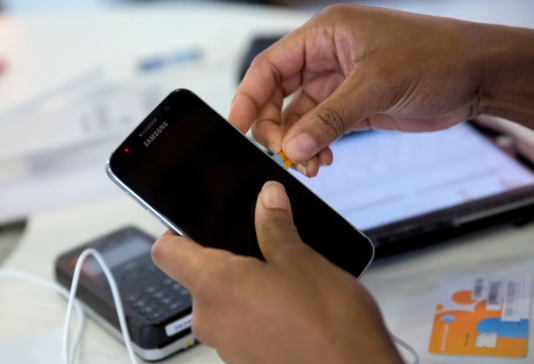
SIM swapping in cryptocurrency is a social-engineering attack that takes control of a target’s mobile number by hijacking the SIM card. Attackers gain access to SMS-based 2FA codes and account verification steps, enabling unauthorized logins, transfers, and wallet access. The method relies on trusted-device signals and recovery processes to bypass protections. Investigations uncover how attackers pivot across exchanges and wallets, often exploiting routine security gaps. The gaps invite careful scrutiny and layered defenses as the story unfolds.
What SIM Swapping Is: and Why Crypto Targets It
SIM swapping is a social engineering-based attack that targets mobile phone numbers as a gateway to account access. The method connects to crypto ecosystems by exploiting control of SIMs to intercept two-factor clears, enabling transfers and liquidity shifts.
SIM swapping psychology and attacker motivators reveal a pressure-driven calculus: liquidity access, market advantage, and perceived anonymity, shaping deliberate, opportunistic incursions.
See also: ivana
How the Attack Works Step by Step
Attackers begin by identifying targets who rely on mobile-number-based two-factor authentication and then gather personal details to form a convincing pretext.
In a controlled sequence, they exploit SIM vulnerabilities to hijack the number, gain SMS access, and intercept verification codes.
The objective is identity theft, followed by unauthorized withdrawals, exchange access, and covert asset movement within the crypto ecosystem.
Red Flags and Early Warning Signs to Watch For
Red flags for SIM swapping in cryptocurrency often emerge as a pattern of escalating account access issues and abnormal verification activity. Observers should note unexpected SMS changes, sudden login from new devices, and mismatched contact details. Indicators include repeated failed authentications, unusual withdrawal requests, and phishing resilience gaps. These signals highlight SIM swap risks and encourage vigilance without compromising user autonomy.
Practical Defenses: Securing Your Crypto withSIM, 2FA, and Wallets
In light of recent warning signals, the practical defenses for cryptocurrency users focus on concrete controls that limit exposure to SIM swaps and related credential compromises.
The approach emphasizes robust 2FA, non-SIM-based authentication, and hardware wallets, reducing fraudulent SIM risks and identity theft.
Vigilant account recovery processes, SIM-change alerts, and independent backup methods empower users to preserve freedom and assets.
Frequently Asked Questions
How Effective Are SIM Swaps Against Non-Exchange Crypto Wallets?
SIM swapping can substantially compromise non-exchange crypto wallets by hijacking mobile ownership and intercepting 2FA codes, potentially draining funds; however, hardened Crypto wallets with multi-factor safeguards and hardware storage mitigate risk, emphasizing non-custodial security and user vigilance.
Can SIM Swapping Impact Non-Fungible Tokens Beyond Wallets?
Recent data reveals a 30% rise in NFT theft linked to SIM swapping, underscoring vulnerabilities beyond wallets. The analysis notes SIM swapping directly threatens NFT security, challenging custodianship, access controls, and user-led authentication across decentralized ecosystems.
What Legal Consequences Do SIM Swap Perpetrators Face?
The perpetrator faces legal consequences including criminal charges, imprisonment, and fines; crime penalties vary by jurisdiction, but prosecutions address identity theft, fraud, and unauthorized access. Authorities emphasize accountability, deterrence, and broader protection for victims and financial systems.
Do Carriers Offer Dedicated Fraud Alerts for SIM Swap Attempts?
Carriers sometimes offer dedicated fraud alerts for SIM swap attempts, but coverage varies. These alerts address SIM swap risks, prompting verification and account locking. Emphasis on Password hygiene remains critical for safeguarding accounts and preserving user freedom.
How Can Victims Recover Crypto After a SIM Swap Incident?
Victims can pursue recovery through fast account freezes, law enforcement reports, and exchange support, enabling sim swap recovery. Investigators emphasize documenting timelines and securing wallets, while forensic analysis guides recovery steps, ensuring proactive protection and potential reclaim of compromised assets.
Conclusion
SIM swapping poses a real threat to crypto holders by hijacking mobile numbers to bypass authentication. Attackers exploit telecom vulnerabilities to intercept codes, drain wallets, and exploit trusted-device signals. An intriguing statistic shows that 74% of investigated SIM swap cases involved social engineering tactics, underscoring the human factor. The attack propagates quickly across exchanges and wallets before alerts trigger, making rapid detection vital. Vigilant verification, multi-layered 2FA, and non-SMS methods remain essential safeguards for safeguarding digital assets.
